Lighting Knowledge
How to Read LED Light Specs: Wattage, Luminous Flux, lm/W, CRI, PF, IP
A plain-language explanation of LED catalogue specs – wattage, luminous flux, lm/W efficacy, color temperature, CRI, PF, IP, lifespan – plus a checklist for when you receive a quotation.
LED catalogues usually list a lot of specs: wattage, luminous flux, efficacy, color temperature, CRI, PF, IP, lifespan… Understanding these figures correctly helps dealers compare products across suppliers, give customers the right advice and avoid buying products with "inflated" wattage. This article explains each spec in the most practical way.
Wattage (W) – power consumption, not brightness
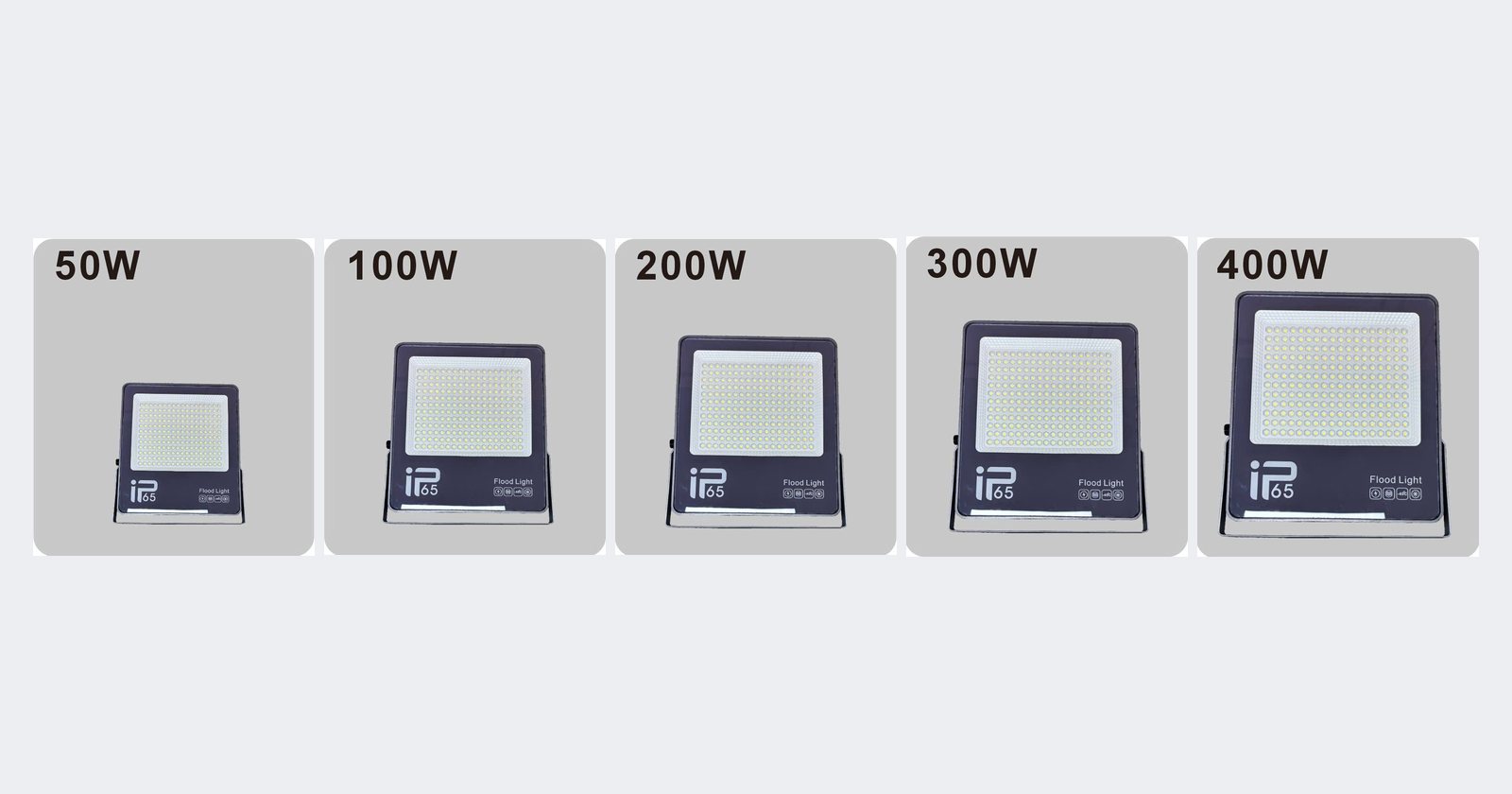
Wattage tells you how much power a light consumes. Two 100W lights can differ greatly in brightness depending on the LED chips, driver and optical design. So don't compare lights by wattage alone.
Luminous flux (lm) – the light's real brightness
Luminous flux (lumens, lm) is the total amount of light a fixture emits. This is the figure that really determines how bright a light is and how many lights a space needs.
Efficacy (lm/W) – more light for less power
Efficacy = luminous flux ÷ wattage. The higher the figure, the more energy-efficient the light. When comparing two quotations, work out the price per lumen instead of the price per unit. See also our article wholesale LED prices – how to compare quotations.
Color temperature (K) – warm, neutral or white light
- About 3000K: warm yellow light – bedrooms, restaurants, altars
- About 4000K: neutral – offices, shops, living rooms
- About 6500K: white – factories, warehouses, yards, sports courts
Details in our article LED color temperature: 3000K, 4000K, 6500K.
CRI (Ra) – are colors shown accurately?
CRI shows how faithfully a light reproduces colors, up to a maximum of 100. General lighting usually uses CRI 80 or above; clothing, food and cosmetics shops should choose a higher CRI so goods show attractive, true-to-life colors.
PF (power factor) – is the driver good or poor?
The closer PF is to 1, the more efficient the driver, with less power loss and less interference on the grid. For factories and projects using many lights, prioritize lights with a high PF (usually 0.9 or above).
IP – dust and water protection
- IP20: indoor use, dry locations
- IP44: splash-proof – porches, bathrooms
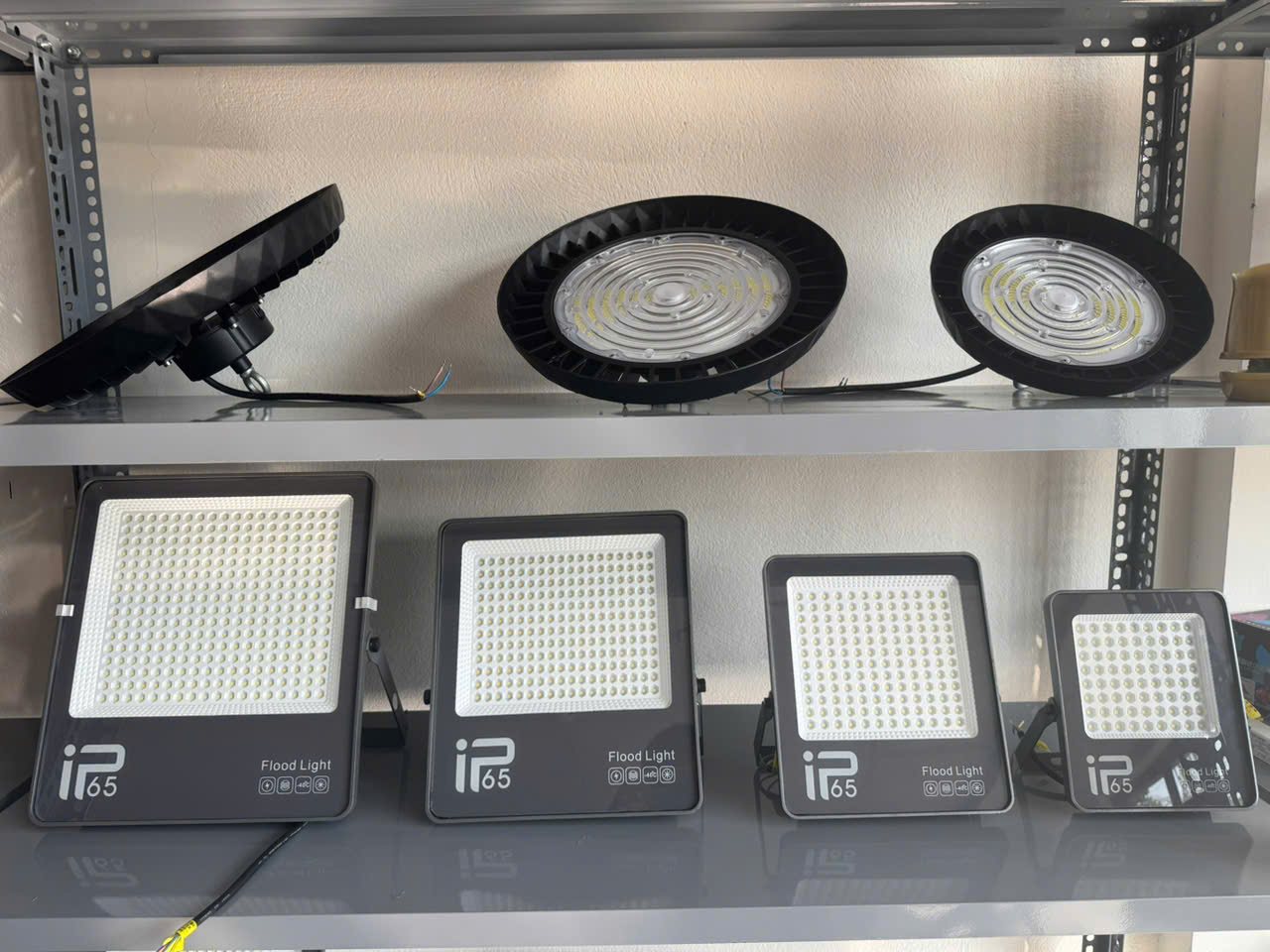
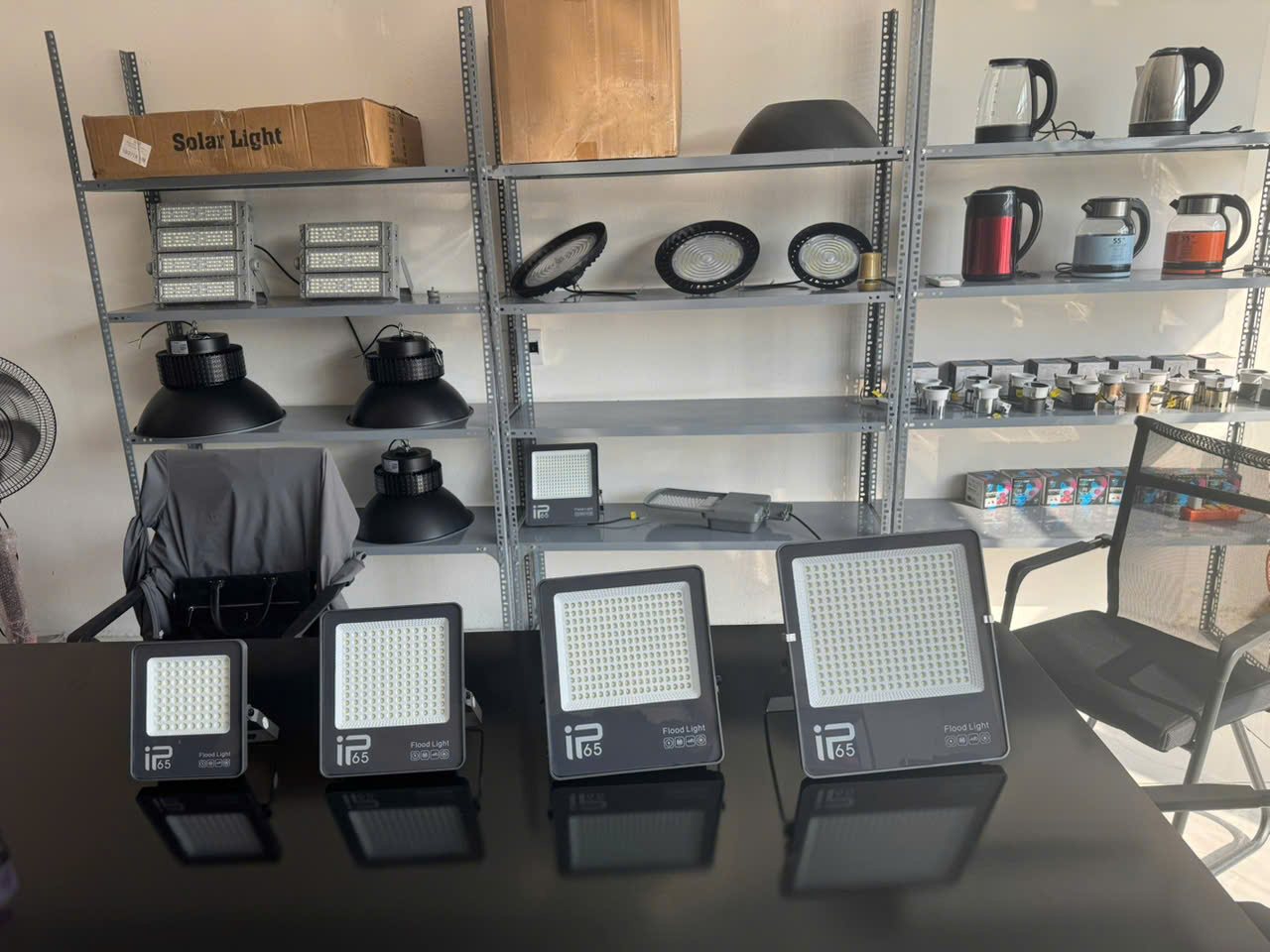
- IP65, IP66: outdoor, rainproof – floodlights, street lights
- IP67: withstands short-term immersion in water
See our article what IP65 and IP66 ratings mean.
Lifespan and warranty
LED lifespan is usually measured until brightness drops to about 70% of the initial level. The figure on the box is under standard conditions; in practice it depends heavily on heat dissipation and driver quality. For dealers, a clear warranty policy matters more than the advertised lifespan figure.
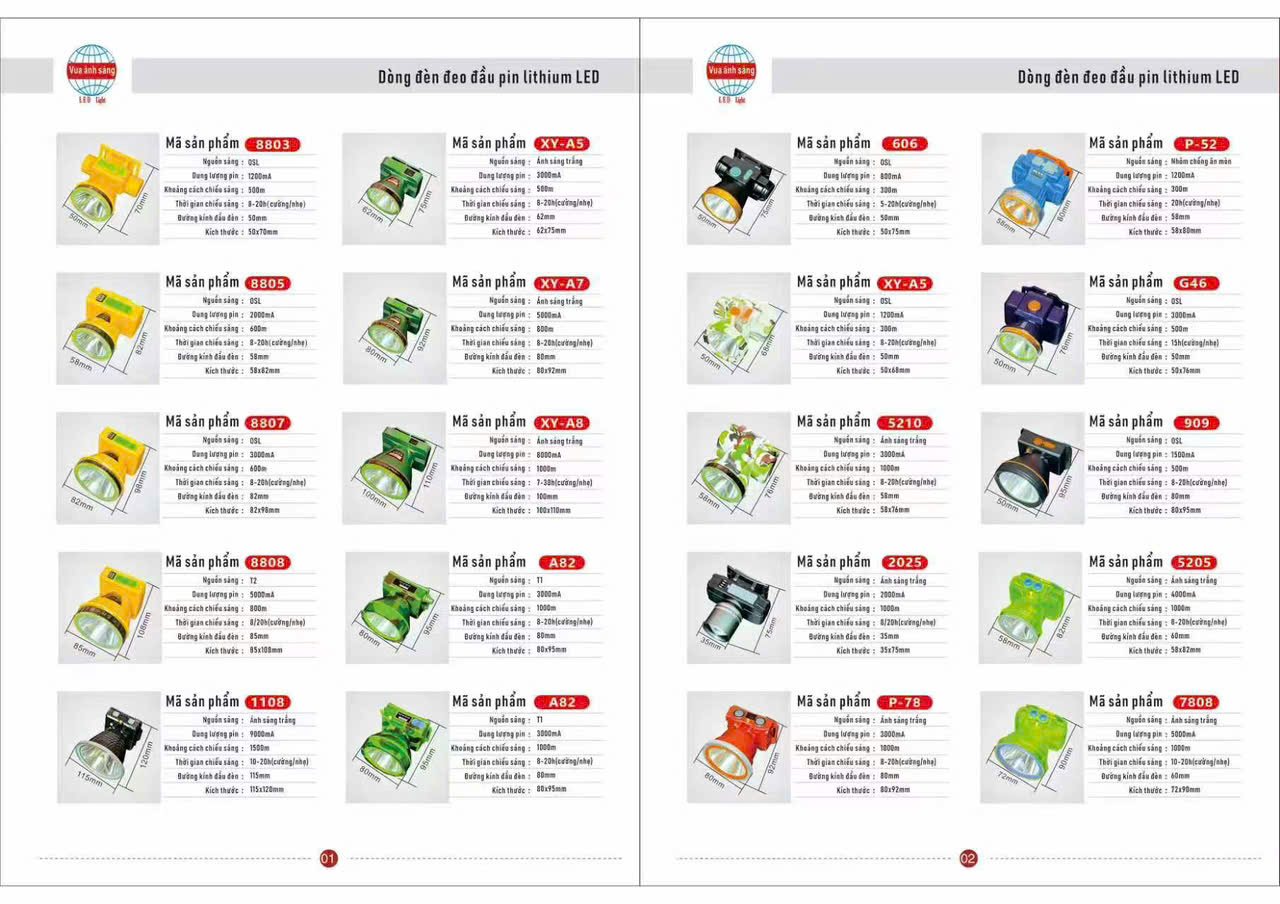
Checklist when you receive a catalogue and quotation
- Is the luminous flux (lm) stated, or only the wattage?
- What are the lm/W efficacy, color temperature and CRI?
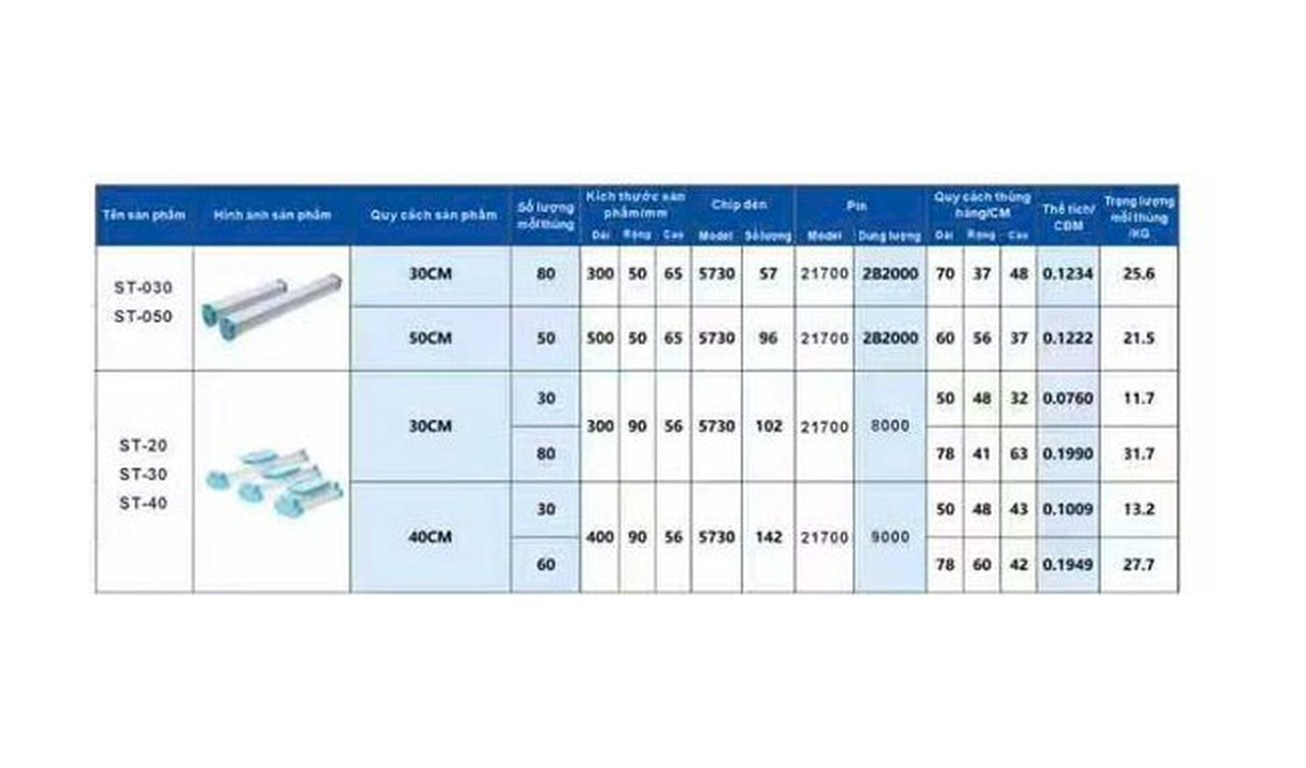
- Are the PF, IP rating, dimensions and carton specifications clearly stated?
- How long is the warranty – replacement or repair?
- Can samples be sent for testing before you order in volume?
The Vua Ánh Sáng factory sends catalogues with specs for every model, plus samples for dealers to test. Contact us to receive the catalogue and a wholesale quote within 24 business hours.
Last updated: 29/11/2026