Lighting Knowledge
LED Colour Temperature 3000K, 4000K, 6500K: Which Light for Which Space?
Warm, neutral or white light? A color-temperature guide for each type of space, the CRI color rendering index, and display tips to help customers choose quickly.
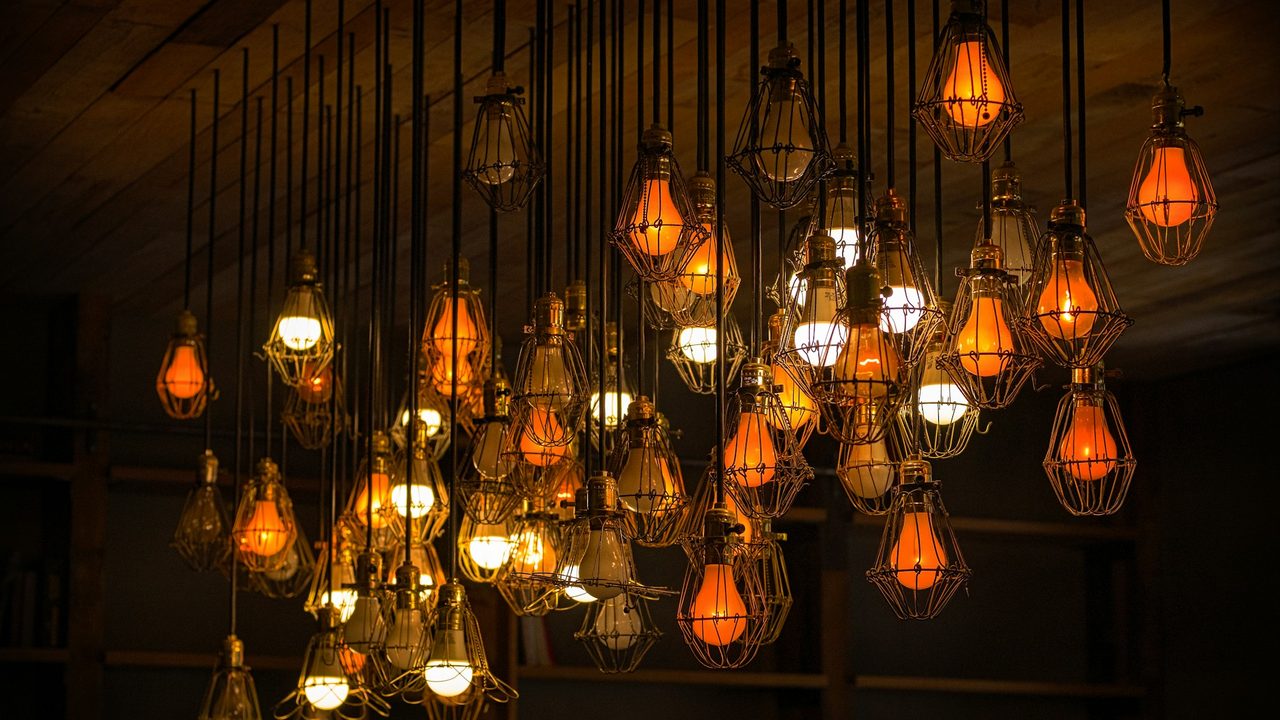
Customers often ask: should I get warm light or white light? The answer lies in LED colour temperature, measured in Kelvin (K). The right colour temperature makes a space comfortable, displayed products look better and workers stay more alert. Get it wrong and customers find their bedroom as glaring as an office, or their shop dim and dreary. This article helps dealers advise each type of customer quickly and correctly.
What is LED colour temperature?
Colour temperature describes the colour of the light emitted. The lower the number, the warmer and more yellow the light; the higher the number, the whiter and slightly bluer the light.
- Below 3300K: warm yellow light, like incandescent bulbs
- About 3300K–5300K: neutral, natural ivory-white light
- Above 5300K: cool white light, like daylight
It's important to distinguish color temperature from brightness. A 6500K light may look brighter, but real brightness depends on luminous flux (lumens), not on color.
The three most common color temperatures
3000K – warm white: creates a cozy, relaxing feel. Suits bedrooms, family living rooms, restaurants, cafes, hotels and worship spaces. Lines such as LED Buddhist altar lamps usually use warm light to create a solemn atmosphere.
4000K – neutral: soft ivory-white light, comfortable and less tiring on the eyes during long working hours. Suits offices, classrooms, modern living rooms, fashion stores and showrooms.
6500K – cool white: bright white light that keeps people alert and shows details clearly. Suits factories, warehouses, parking lots, street lighting, supermarkets and areas that need high contrast.
Quick Suggestions by Space
- Bedroom: 3000K
- Living room: 3000K or 4000K
- Kitchens, home offices: 4000K
- Offices, classrooms: 4000K
- Clothing and cosmetics stores: 3000K–4000K, high CRI
- Supermarkets, electronics stores: 4000K–6500K
- Factories, warehouses, yards: 5000K–6500K
For LED surface-mounted ceiling lights and tube and column bulbs sold to households, 3-color switchable versions (warm, neutral, white) are very popular because customers can choose the color themselves after installation.
Don't forget the color rendering index (CRI)
Besides color temperature, the color rendering index CRI (Ra) shows how true to life object colors appear under the light:
- CRI 80 and above: sufficient for homes, offices and factories
- CRI 90 and above: recommended for fashion and cosmetics stores, food displays, studios and places where color drives purchases
Low-CRI lights make meat and fish look less fresh and clothes look off-color, even when the brightness is sufficient.
Tips for advising on LED colour temperature in store
- Build a 3-color display board with lights on side by side so customers can see for themselves and choose on the spot.
- Ask customers where the light will be installed before asking which color they want; many customers only know they “want it bright”.
- Stock according to actual sales ratios: in many residential areas, white and neutral light sell better, while warm light is used for bedrooms and decoration.
- Clearly state the color temperature on the box and the invoice to avoid returns from customers choosing the wrong color.
Conclusion
Understanding LED color temperature helps dealers advise quickly, keep customers satisfied and reduce returns. When ordering from the factory, you can choose the color temperature for each model to suit demand in your area. Contact the factory to get the catalogue with all 3000K, 4000K and 6500K versions.
Last updated: 28/10/2026