Lighting Knowledge
How to Choose Solar Lights with the Right Wattage, Without Falling for “Inflated” Specs
The 200W or 300W figures on solar lights are usually not the real wattage. Here are 4 specifications to check and how to estimate lighting hours.
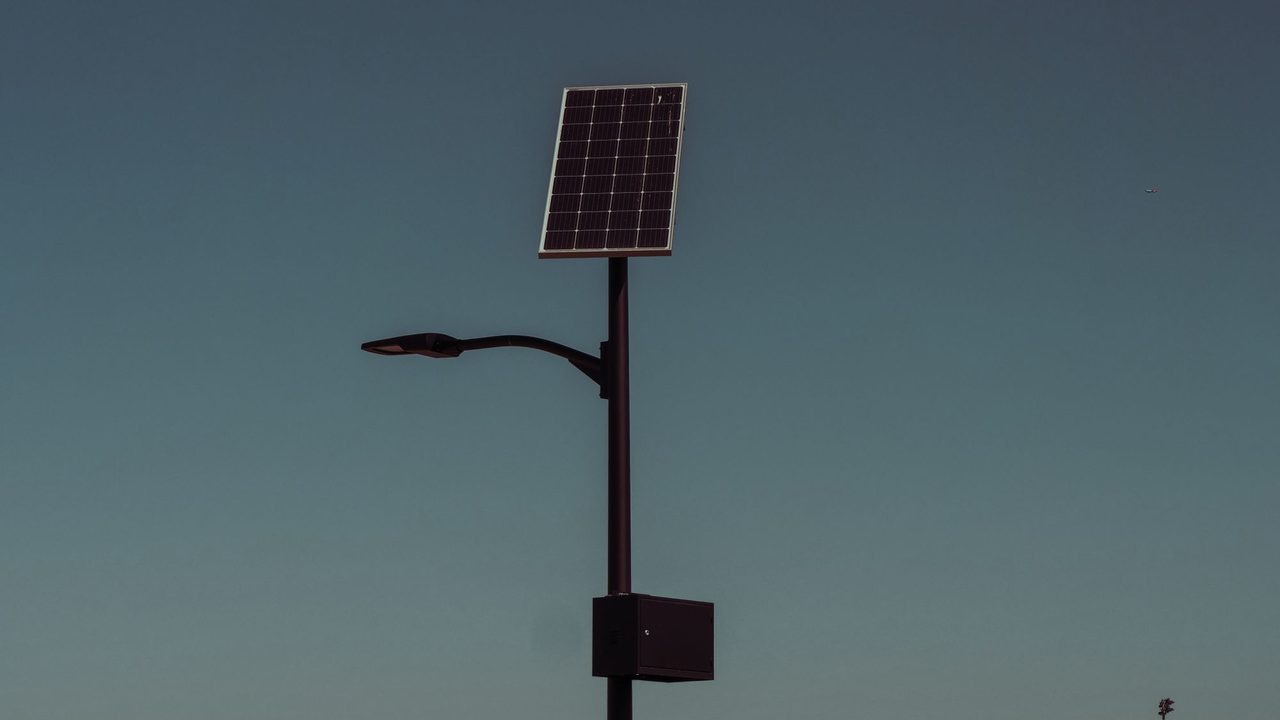
Solar lights sell well for rural areas, village roads, gardens, farms and yards because they need no grid wiring and no monthly electricity bills. But they are also the product customers complain about most: they buy a light labeled 200W or 300W, only to find it dim and lasting just a few hours before going out. The cause is usually not the LEDs but how the wattage is labeled and how the battery is configured. Understanding the points below helps dealers choose the right products and advise customers without losing credibility.
Why is solar light wattage so often “inflated”?
On the market, the 100W, 200W or 300W printed on solar light boxes is often just a size-based name, not the actual power consumption of the LED chips. A light labeled 200W may have only a 20–30W solar panel and LED chips actually running at 15–20W.
A light's brightness and run time depend on three things: how much energy the panel can charge each day, how much the battery can store, and how efficiently the LED chips use power. So don't choose a light by the number printed on the box.
4 specs to check when choosing a solar light
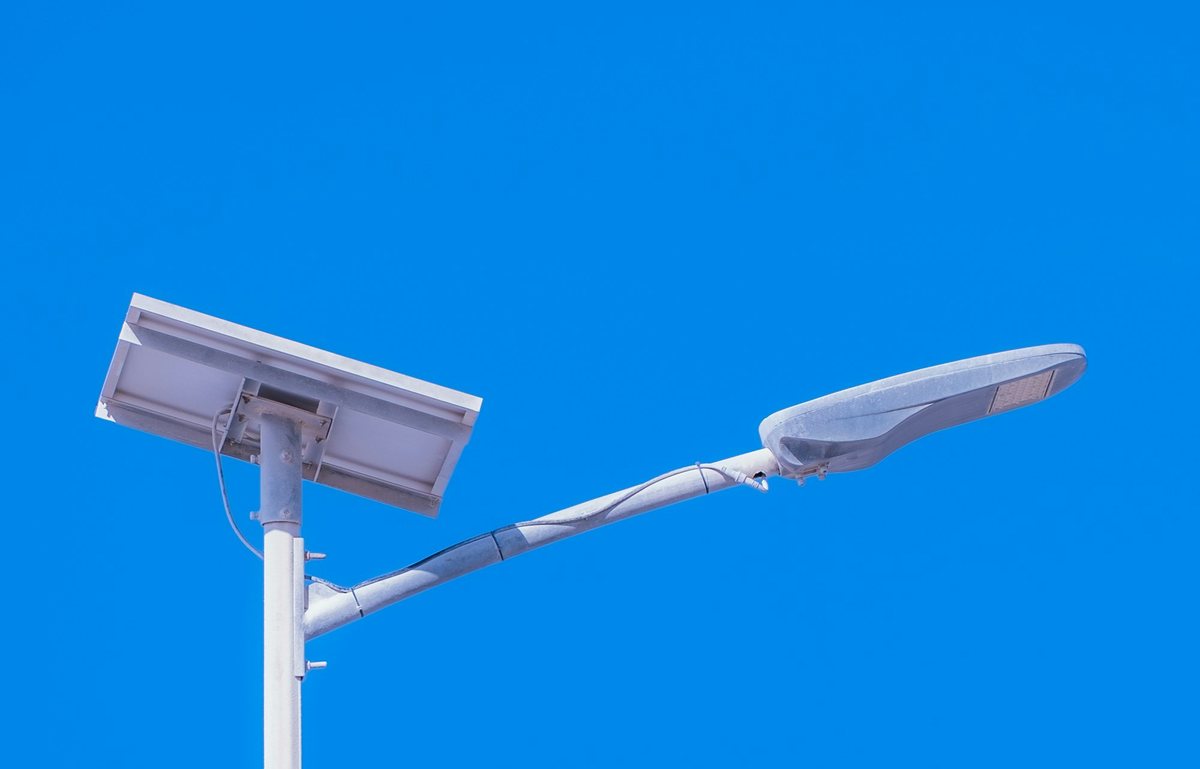
- Solar panel: check the real wattage (W) and panel type. Mono (monocrystalline) panels are more efficient than poly panels. The larger the panel, the faster it charges on cloudy days.
- Battery storage capacity (Wh): this is the most important figure. LiFePO4 (lithium iron phosphate) batteries are durable, heat-tolerant and last far more charge cycles than lead-acid or standard lithium batteries.
- LED chips and luminous flux: high-efficiency chips give stronger light from the same amount of power, so the light runs longer.
- Controller and lighting modes: a light sensor that switches on automatically at dusk, a motion sensor and a midnight dimming mode help extend lighting time.
How to Estimate Lighting Runtime
Simple formula: lighting hours ≈ battery capacity (Wh) ÷ real LED wattage (W).
Example: a 3.2V – 30Ah LiFePO4 battery has a capacity of about 3.2 × 30 = 96 Wh. If the LED chips actually run at 20W, the light lasts at most about 4.8 hours at 100% brightness. With a mode that drops to 50% power after 22:00, the light can stay on for most of the night.
From this formula, you can see right away why a “300W” light with a small battery cannot shine brightly all night. Ask the supplier for the battery capacity in Wh, or the voltage and Ah, so you can calculate it yourself.
Install correctly for durability and full brightness
- Face the solar panel south, tilted about 10–20 degrees to catch the sun and let rain and dust run off.
- Avoid shade from trees, roofs and utility poles. If even part of the panel is shaded, charging drops significantly.
- Clean the solar panel every few months, especially in dusty areas.
- On the first day after installation, let the light charge fully over 1–2 sunny days before judging its brightness.
- Suitable pole height: village roads usually 5–7 m, gardens 2.5–4 m.
Advise customers based on their needs
- Village roads and alleys: choose solar street lights with large-capacity LiFePO4 batteries and motion sensors.
- Gardens, gates: small lights with warm or neutral light, with a focus on aesthetics.
- Off-grid warehouses and farms: need strong lighting, so size the battery and panel carefully; if grid power is available, mains-powered LED floodlights are still more economical.
- Backup for power outages: pair with rechargeable emergency lights indoors.
Conclusion
Choosing the right solar light means judging the solar panel, battery capacity and LED chips, not the number printed on the box. Dealers who give the right advice get fewer warranty claims and more customer referrals. You can also explore our lighting solutions by application or send us your requirements so the factory can propose the right configuration for each project.
Last updated: 28/10/2026