Importing Tips
How Much Capital Does an LED Dealership Need? A Startup Plan for New Shops
How should you split capital between stock, display and warranty reserve? A 6-step plan to start as an LED lighting dealer safely without getting stuck with unsold stock.
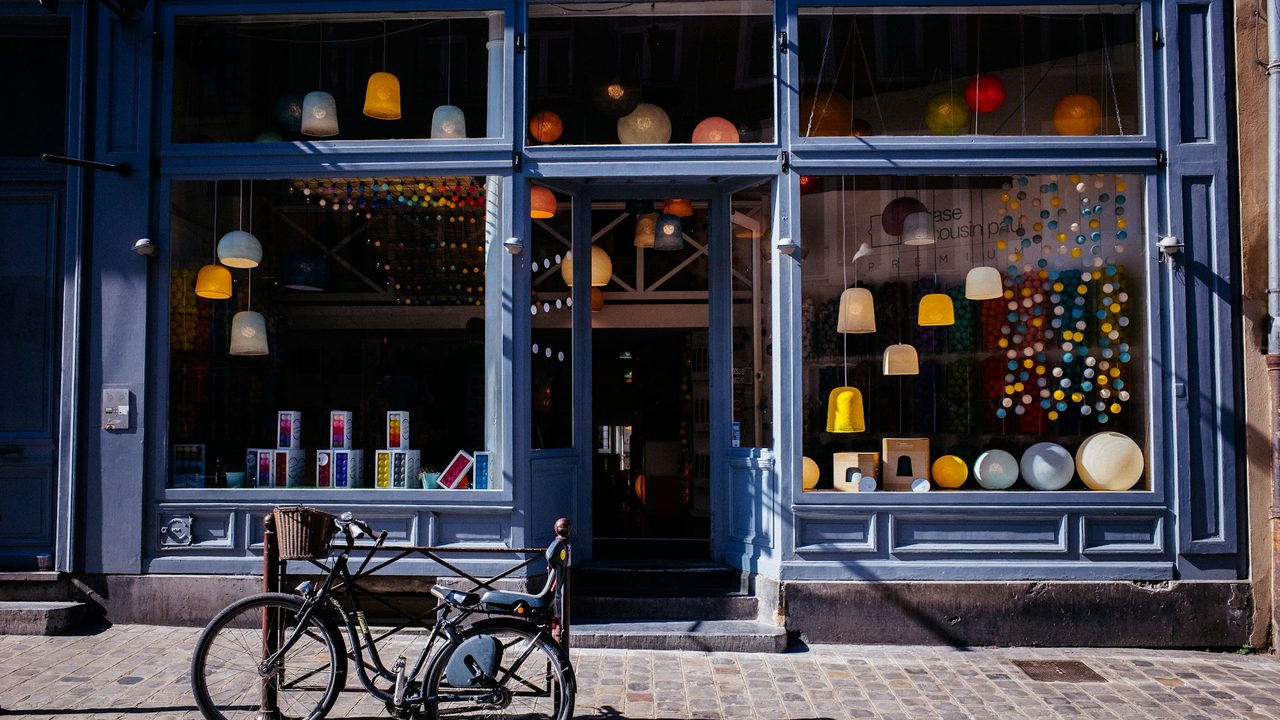
Becoming an LED dealer is a business path chosen by many electrical shops, building materials stores and experienced electricians. Demand for replacing old lights with energy-saving LEDs is still huge, from homes and shops to factories and projects. The first question everyone asks is how much capital is needed and where to start. This article helps you make a concrete plan before importing your first shipment.
Three common LED dealer business models
The capital you need depends heavily on the business model you choose:
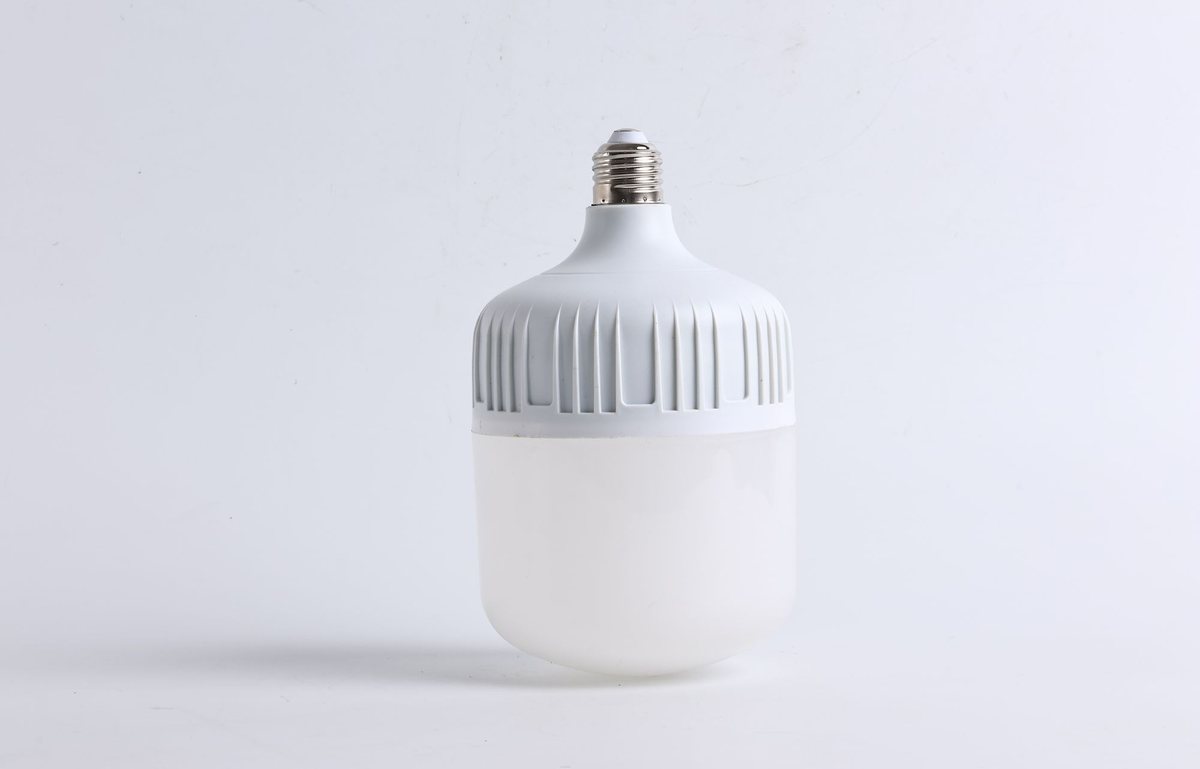
- Retail store: sells to households and local electricians. Needs many common models such as column bulbs, ceiling lights, flush-mount lights and emergency lights. Lowest starting capital.
- Tier-1 dealer / regional distributor: buys in large volumes and redistributes to smaller shops. Needs a warehouse, delivery vehicles, a sales team and more working capital.
- Project dealer: specializes in factory, warehouse, street lighting and sports field projects. Doesn't need much inventory but needs the ability to advise, estimate quantities and quote quickly.
Many successful dealers start with retail, then take on small projects, and only then expand into regional distributors.
What does the initial capital cover?
Instead of asking for a fixed figure, break your capital down into the items below. For a small shop, total capital may start from a few tens of millions of VND; for a regional distributor, it often reaches several hundred million VND or more.
- First stock order (about 50–60% of capital): focus on the 20–30 best-selling models instead of trying to carry everything.
- Display (10–15%): shelves, lit display boards, signage. Lights that are switched on sell faster than lights sitting in boxes.
- Shipping, taxes, documents (5–10%): especially for official imports with invoices.
- Warranty reserve (about 3–5%): always keep stock on hand to replace items for customers immediately and protect your reputation.
- Promotion (5–10%): photos, videos, and Facebook and Zalo ads targeting the area around your store.
- Remaining working capital: to restock best-sellers without waiting for the previous batch to sell out.
6 steps to start as an LED lighting dealer
- Survey customers in your area: are homes, rental rooms, shops or factories the majority? What lights are they using now?
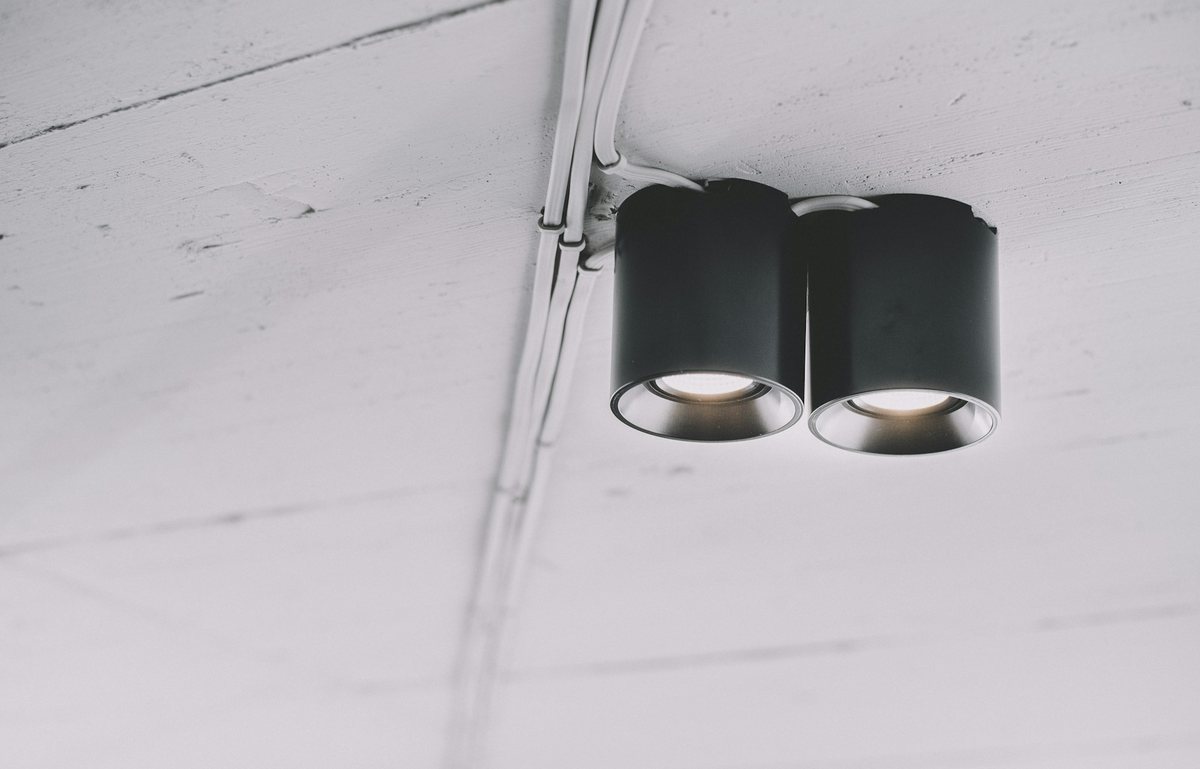
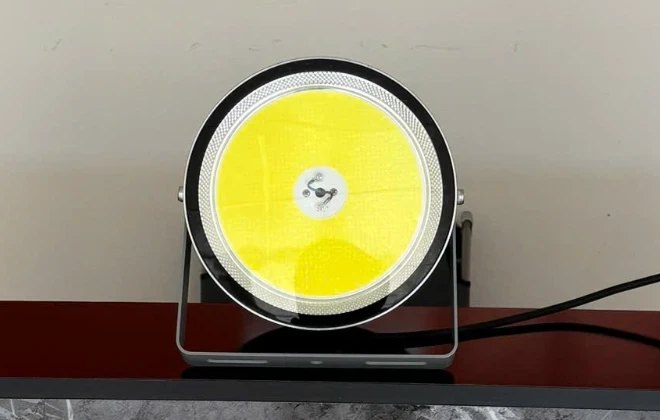
- Choose core product groups: for example surface-mounted ceiling lights for households, LED floodlights for signs and yards, rechargeable emergency lights for the rainy and storm season.
- Find suppliers and order samples: compare at least 2–3 suppliers and measure real wattage, brightness and housing quality.
- Negotiate the policy: volume-tier pricing, warranty, display support, catalogues, sales photos and videos.
- Start with a small first order: test sales for 1–2 months and note which models sell fast and which sit in stock.
- Gradually scale up and expand: stock more best-sellers, take on small projects and develop sub-dealers.
Should you buy through a middleman or import factory-direct?
Buying from domestic wholesalers is convenient because stock is available immediately and you can order small quantities, but the price has passed through several middle layers. Buying factory-direct gives you ex-factory prices, a choice of specifications, logo printing and direct dealings on warranty; in return, you need to meet minimum order quantities and wait for production.
A common approach is to combine both: source small or urgent orders locally, and import best-selling models with steady volumes directly from the factory to increase your profit margin.
Mistakes that tie up new dealers' capital
- Ordering too many models, a few of each, and ending up with every one sitting in stock
- Buying the cheapest goods, facing frequent warranty claims and losing credibility with electricians
- No samples to display or film videos with
- Not tracking inventory, reordering slow-selling models
- Ignoring project customers, when a single project can equal a whole month of retail sales
Conclusion
Becoming an LED dealer doesn't require a lot of capital if you choose the right business model, focus on best-selling models and have a stable source of supply. The factory is recruiting distributors and dealers nationwide, offering ex-factory prices, samples and sales support. You can see the details in the dealer policy or message us on Zalo for advice on which models to stock first.
Last updated: 28/10/2026